By Ascension Smiles Family Dentistry
Healthy teeth and gums require more than brushing twice a day and flossing regularly. Your daily habits are important, but professional dental care plays an equally important role in protecting your smile throughout life. The dentist you choose can influence how early oral health concerns are identified, how clearly you understand your treatment options, and how consistently preventive care becomes part of your routine.
A long-term dental relationship also allows your dental practitioner to become familiar with changes in your teeth, gums, bite, and overall oral health. Instead of addressing problems only when they become painful, regular dental care creates opportunities to identify concerns at earlier stages and develop an appropriate plan.
At Ascension Smiles Family Dentistry, we provide comprehensive dental care for individuals and families in Gonzales. Dr. Shayne Clouatre focuses on helping patients understand their oral health and make informed decisions that can support healthier smiles for years to come.
Why Does Choosing the Right Dentist Matter?
Your oral health changes throughout your lifetime. The dental concerns you have as a young adult may differ significantly from those you experience later in life. Cavities, gum health, tooth wear, missing teeth, previous restorations, medications, and lifestyle habits can all influence your dental needs.
The right professional does more than treat an individual tooth. Your dental practitioner evaluates your oral health as a whole and monitors it over time.
Consistent dental care can help:
- Detect cavities before they become more extensive
- Monitor gum health and signs of periodontal disease
- Identify worn, cracked, or weakened teeth
- Evaluate existing fillings, crowns, and other restorations
- Check changes in your bite
- Discuss oral hygiene habits and risk factors
- Identify concerns that may require restorative or other dental treatment
This ongoing approach helps make dental care more proactive rather than primarily problem-driven.
Preventive Dental Care Creates the Foundation for Long-Term Oral Health
Prevention is one of the most important parts of maintaining a healthy smile. Even people who brush and floss carefully can develop plaque and hardened tartar in areas that are difficult to clean at home.
Professional cleanings help remove these deposits. Routine dental examinations allow early detection of changes that may not yet be causing noticeable symptoms.
Preventive visits may include an evaluation of your:
- Teeth for decay or structural damage
- Gums and supporting tissues
- Existing dental restorations
- Bite and jaw function
- Oral tissues
- Home-care routine
The frequency of dental examinations and cleanings can vary based on individual oral health needs. Some patients may require closer monitoring because of gum disease, a history of frequent decay, existing restorations, or other risk factors.
Personalized Dental Care Changes as Your Needs Change
There is no single dental care plan that works for every patient.
Age, diet, oral hygiene, medical history, medications, previous dental treatment, tobacco use, dry mouth, and other factors can influence the health of your teeth and gums.
A dental practitioner who knows your dental history can adjust recommendations as these factors change.
For example, one patient may need additional guidance for controlling plaque around crowded teeth. Another may need regular monitoring of older fillings or crowns. Someone experiencing dry mouth may require strategies for reducing the increased risk of decay.
Personalized recommendations make preventive care more relevant to your actual risk factors instead of relying on a one-size-fits-all approach.
Clear Communication Helps You Make Informed Dental Decisions
Dental care should never feel confusing.
Your dental specialist should explain what was found during your examination, why treatment may be recommended, what options are available, and what could happen if a condition is left untreated.
Clear communication is particularly important when a patient needs restorative treatment or has several possible treatment options.
You should feel comfortable asking questions such as:
- What is causing this problem?
- Does it require treatment now?
- What treatment options are available?
- How can I prevent the problem from returning?
- What should I expect during treatment?
- How should I care for the area afterward?
Understanding the reason behind a recommendation can make it easier to participate actively in decisions about your oral health.
Comprehensive Dentistry Makes Ongoing Care Easier
Dental needs can change unexpectedly. You may initially visit the dental office for routine preventive care and later need treatment for decay, a damaged tooth, tooth loss, cosmetic concerns, or another dental issue.
Having access to multiple types of care through one dental practice can simplify the process.
Ascension Smiles Family Dentistry offers general, cosmetic, restorative, and oral surgery services in Gonzales. This comprehensive approach allows patients to address a range of dental concerns while maintaining continuity with a familiar dental team.
When comparing results after searching for ‘dentist near me’, consider whether the practice can support both your current needs and dental concerns that may arise in the future.
Long-Term Dental Care Helps Protect Your Gums
Healthy gums are essential for maintaining healthy teeth.
Plaque that remains around the gumline can contribute to gingivitis, the earliest stage of gum disease. Common signs may include redness, tenderness, swelling, or bleeding during brushing and flossing.
Without appropriate care, gum disease can progress and affect the tissues and bone supporting the teeth.
Regular dental visits give your dental team an opportunity to monitor gum health and identify changes. Your dental professional can also recommend improvements to your brushing and flossing technique based on areas where plaque tends to accumulate.
Patients should not assume that bleeding gums are simply normal. Persistent bleeding, swelling, gum recession, or changes around the teeth should be evaluated.
Consistency Can Make Dental Visits More Comfortable
People sometimes postpone dental visits because they feel nervous about treatment or worry about what the professional may find.
Consistent preventive visits can help reduce some of this uncertainty.
When you regularly visit the same dental team, the office becomes more familiar. Your dental practitioner also gains a clearer understanding of your concerns, previous treatment experiences, and comfort preferences.
Rather than waiting until discomfort forces you to schedule an urgent appointment, routine visits allow dental care to become a normal part of your health routine.
When searching for ‘dentist near me’, finding an office that prioritizes communication and comfort can make it easier to maintain this consistency.
What Should You Look for When Choosing a Dentist?
Choosing a dental practice is an important health decision. Location and scheduling matter, but they should not be your only considerations.
Look for a practice that emphasizes:
Comprehensive Examinations
A thorough examination should evaluate more than the tooth that currently bothers you. Long-term care requires attention to your teeth, gums, bite, restorations, and overall oral condition.
Preventive Care
The practice should encourage routine care and provide guidance for reducing future dental problems.
Clear Explanations
You should understand your diagnosis and treatment recommendations before making decisions.
Continuity of Care
Seeing a dental team consistently makes it easier to track changes in your oral health over time.
Appropriate Technology
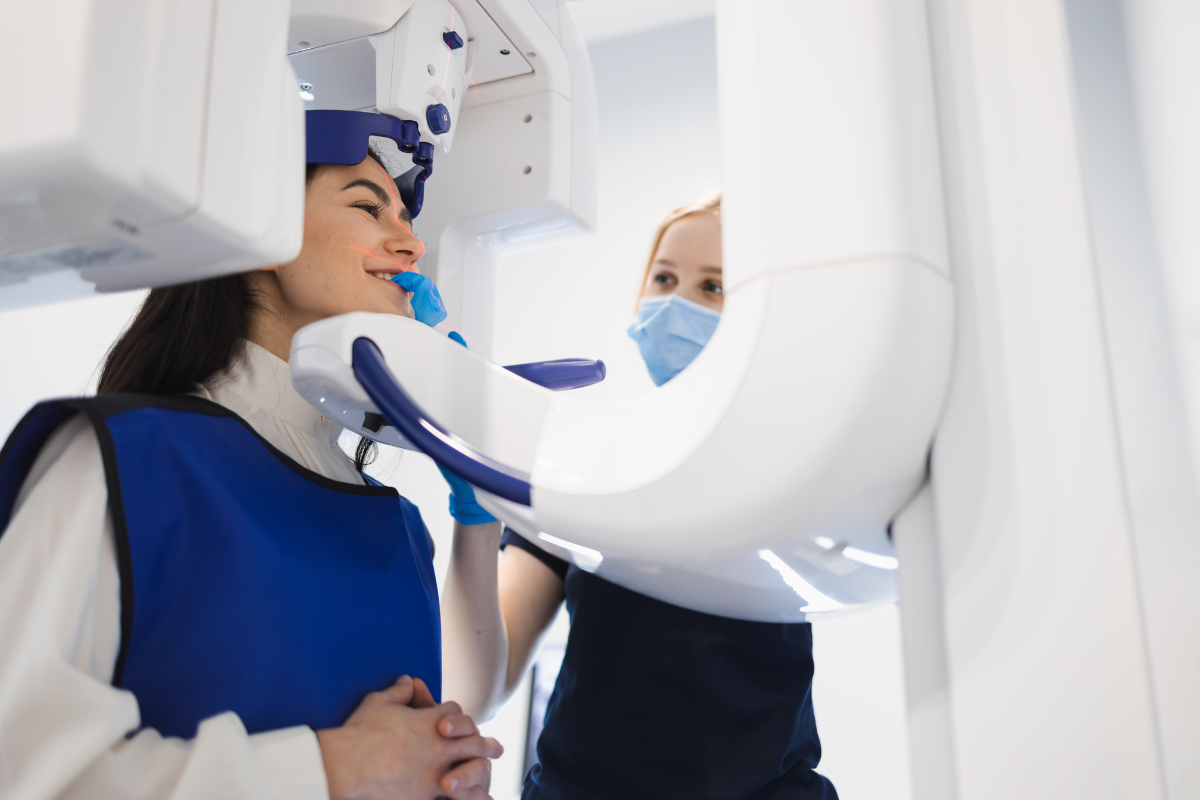
Modern diagnostic technology, including digital imaging, can assist professionals in evaluating conditions that may not be visible during a standard examination.
A Comfortable Patient Experience
You should feel comfortable discussing concerns and asking questions about your dental health.
How Often Should You Seek Professional Care?
Many people associate dental care with a standard twice-yearly schedule. While that interval may be appropriate for many patients, the right frequency depends on individual risk.
Someone with healthy teeth and gums may require a different schedule from a patient with periodontal disease, frequent cavities, extensive restorations, or another condition requiring closer observation.
The important point is consistency. Skipping preventive appointments for several years can allow developing conditions to progress without detection.
Oral Health Is Connected to Your Overall Well-Being
The mouth is part of the body, and oral health should be viewed as an important component of overall health.
Dental visits can identify oral infections, inflammation, tissue changes, and other conditions that deserve attention. Your medical history and medications may also influence your oral health. For example, some medications can contribute to dry mouth, which may increase cavity risk.
Keeping your dental care specialist informed about changes in medications, medical conditions, or health history helps support safer and more appropriate dental care.
This is another reason why continuity matters. A professional who understands your history can consider these changes when evaluating your current oral health.
Build a Healthier Smile With Consistent Dental Care in Gonzales
Long-term oral health is rarely the result of a single treatment. It develops through consistent preventive care, daily oral hygiene, early attention to dental problems, and informed decisions over many years.
If you are looking for ‘dentist near me in Gonzales’, consider choosing a practice that can support your smile through different stages of life rather than focusing only on your immediate dental concern.
Ascension Smiles Family Dentistry welcomes patients at 306 S Burnside Ave, Gonzales, LA 70737. From preventive visits to restorative, cosmetic, and other dental services, our team is here to help you understand your oral health and take practical steps toward maintaining it.
Schedule your appointment today and make consistent dental care part of your long-term health plan.
Frequently Asked Questions(FAQ’s)
1. How often should I visit a dentist for routine care?
Many patients benefit from dental examinations and professional cleanings about every six months. However, your ideal schedule depends on cavity risk, gum health, existing restorations, medical history, and other individual factors your dentist evaluates.
2. What should I look for when choosing a new dentist?
Look for clear communication, comprehensive examinations, preventive care, convenient access, appropriate technology, and services that can support changing dental needs. You should also feel comfortable asking questions and discussing treatment recommendations before making decisions.
3. Why are regular dental checkups important if my teeth feel fine?
Many cavities, gum problems, cracks, and other dental conditions may develop without noticeable pain initially. Routine examinations help identify changes earlier, allowing your dentist to recommend monitoring, prevention, or treatment before the condition becomes more extensive.
4. What happens during a routine dental examination?
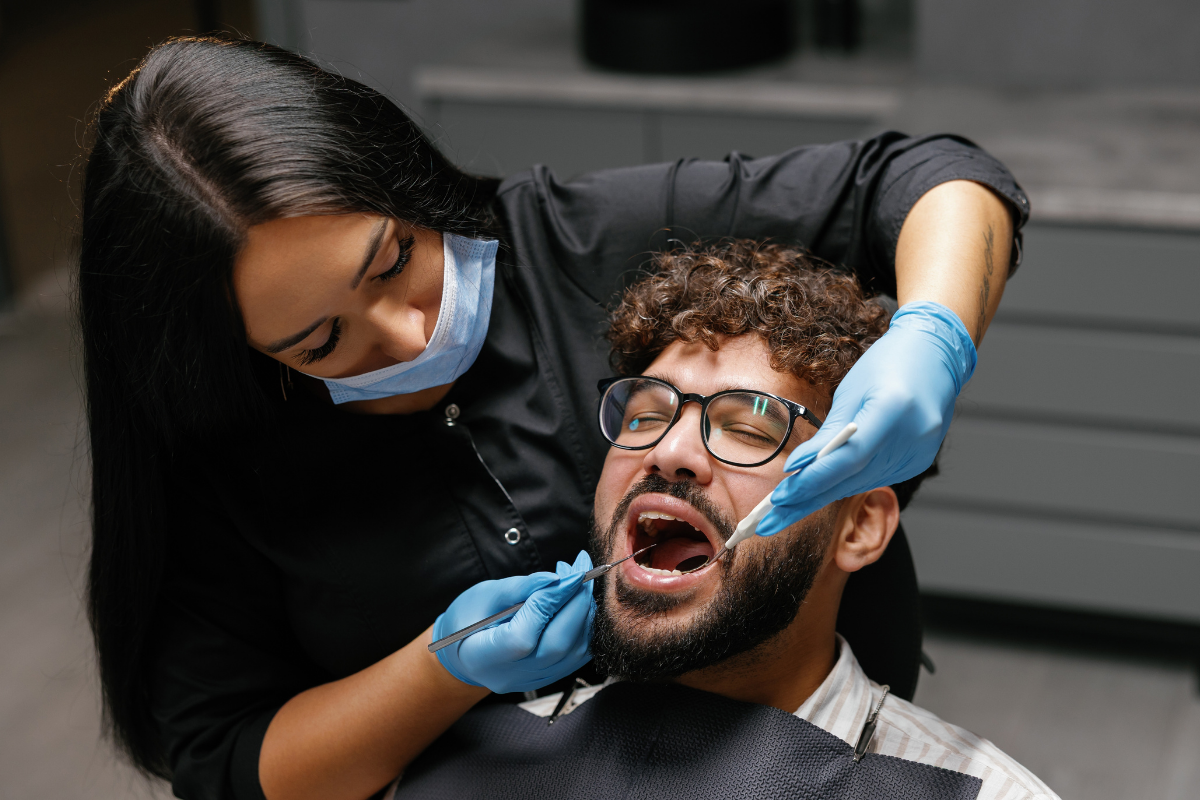
A routine visit may include reviewing your health history, examining teeth and gums, evaluating existing restorations, checking your bite and oral tissues, taking necessary X-rays, and discussing home care or any recommended treatment with you.
5. Can a dentist help prevent future dental problems?
Yes. Dentists can identify individual risk factors and recommend preventive strategies involving oral hygiene, fluoride, diet, professional cleanings, and appropriate recall visits. Early intervention may also prevent some minor concerns from becoming more complicated dental problems.
6. When should I see a dentist between routine appointments?
Contact your dentist if you develop persistent tooth pain, swelling, bleeding gums, a broken tooth, sensitivity, a loose restoration, or another unusual oral change. Prompt evaluation can determine the cause and whether treatment is necessary.
7. Why is staying with the same dentist helpful for long-term care?
Continuity allows your dentist to understand your dental history and compare changes over time. This familiarity can help with monitoring teeth, gums, restorations, risk factors, comfort preferences, and evolving treatment needs throughout different stages of life.