By Ascension Smiles Family Dentistry
Root canal is often misunderstood, with many associating it with pain and discomfort. However, this essential dental procedure is designed to alleviate pain, preserve your natural tooth, and restore your smile. When you understand the purpose, process, and benefits this procedure offers, making informed decisions becomes a lot easier.
What Is Root Canal Treatment?
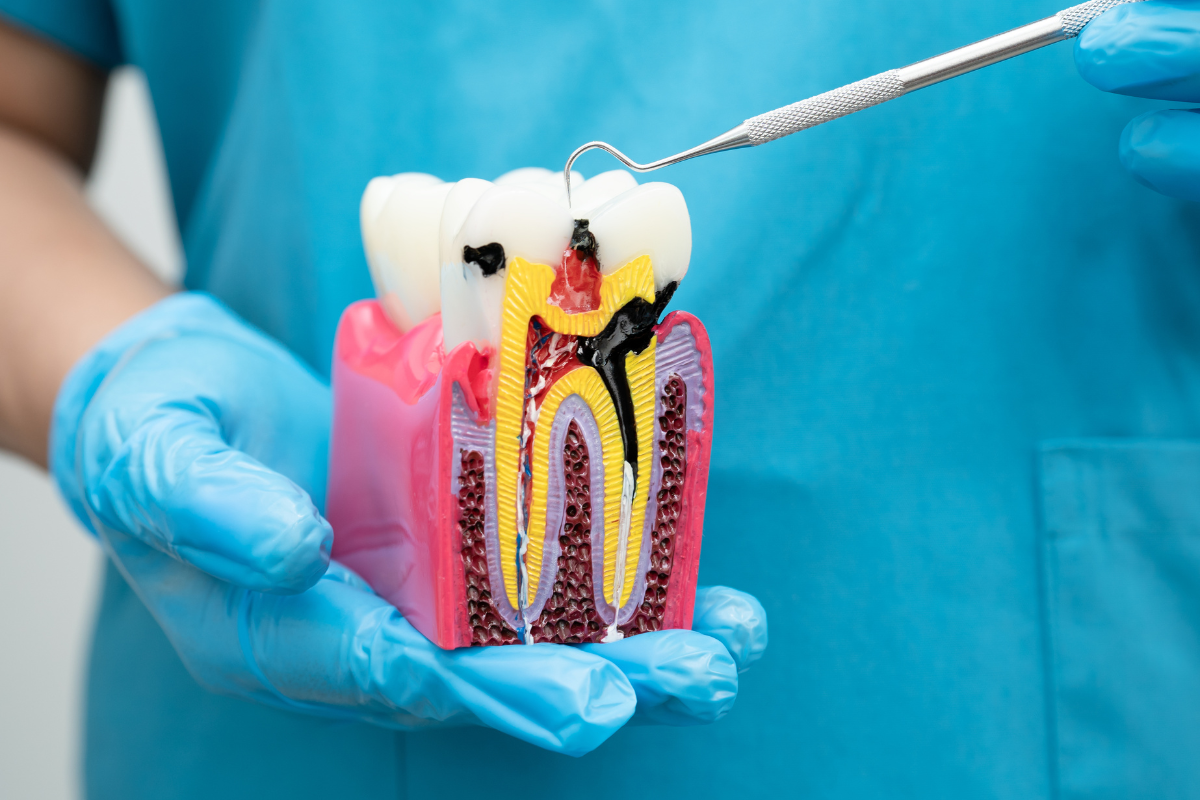
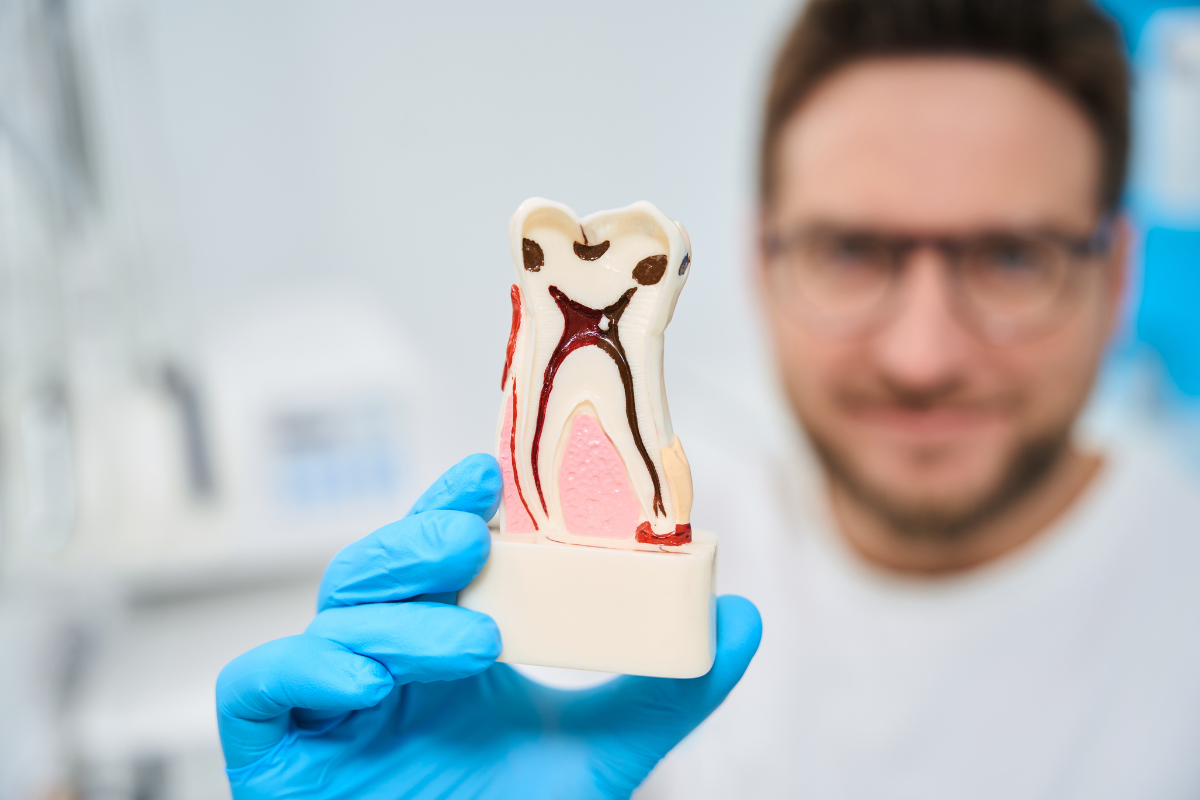
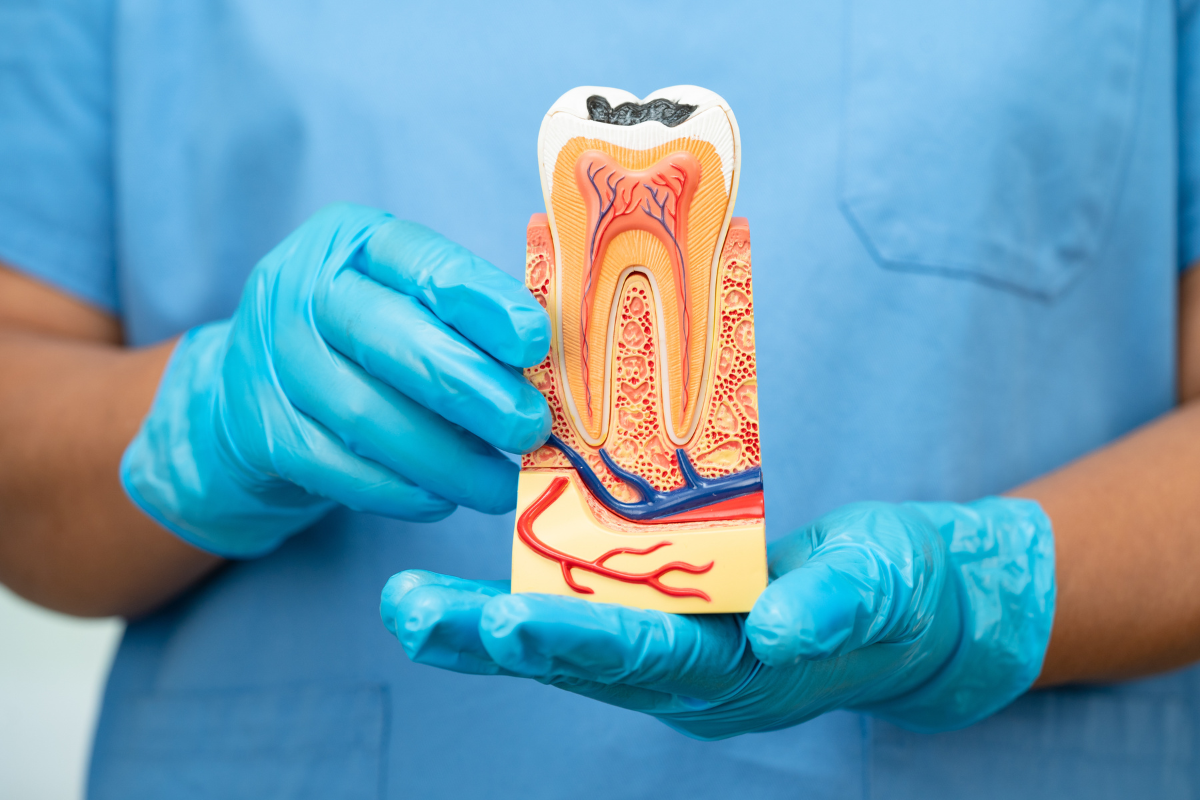
This dental procedure targets the pulp of a tooth, the soft tissue containing nerves, blood vessels, and connective tissue. When the pulp becomes inflamed or infected, it can cause severe pain, swelling, and sensitivity. This generally occurs due to deep decay, cracks, repeated dental procedures, or trauma, which are common causes of dental issues.
Whether your dental practitioner recommends root canal therapy in Gonzales or somewhere else, the aim is to remove, clean, or disinfect the root canals. Furthermore, the procedure includes filling and sealing the space to prevent further infection. By doing so, the tooth’s structure and function are preserved, avoiding the need for extraction.
Why is the Root Canal Procedure Necessary?
Untreated pulp infections can lead to serious complications. These include abscess formation, bone loss around the tooth root, and spread of infection to surrounding tissues. Root canal therapy addresses these risks while providing several key benefits:
- Pain Relief: The procedure removes the source of infection, which eliminates the intense toothache.
- Preservation of Natural Teeth: Saving the tooth maintains natural biting and chewing function.
- Protection of Adjacent Teeth: Avoids the shifting of surrounding teeth that occurs after extraction.
- Long-Term Cost Efficiency: Prevents more expensive restorative treatments, such as dental implants or bridges, in the future.
Most people in LA opting for root canal therapy in Gonzales have become more comfortable due to advancements in dental technology and anesthesia techniques.
What to Expect During the Procedure?
Knowing the procedure lowers anxiety and encourages patients to follow instructions. Here is an overview of the process:
- Initial Examination: A dentist assesses the tooth with digital X-rays to determine the extent of infection and understand the anatomy of the canals.
- Local Anesthesia: The area around the tooth is numbed to ensure a comfortable and pain-free experience.
- Access Opening: A small opening is created on the tooth crown to reach the pulp chamber.
- Cleaning and Shaping: A trustworthy dentist removes the infected pulp, and the canals are cleaned and shaped to prepare for filling.
- Filling and Sealing: The canals are filled with a biocompatible material, typically gutta-percha, and sealed to prevent reinfection.
- Restoration: A crown or filling is placed to restore function, strength, and aesthetics.
Each step is designed to protect surrounding tissues and maintain the integrity of the tooth.
Tips for Post-Treatment Care and Smooth Recovery
While root canal therapy is minimally invasive, proper post-treatment care is crucial for long-term success. Mild discomfort, tenderness, or slight swelling is normal for a few days following the procedure. Patients can manage this with over-the-counter pain relievers or medications prescribed by their dentist, ensuring a comfortable recovery.
During the healing period, it is important to avoid chewing hard or sticky foods on the treated tooth. Limiting stress on the area protects the tooth and allows the restoration to set properly. Maintaining careful oral hygiene, including gentle brushing and flossing around the treated site, reduces the risk of reinfection and supports overall oral health.
Follow-up visits are essential to monitor healing and identify any potential complications early. Regular checkups allow dentists to ensure the restoration is intact and the tooth is functioning correctly. With proper care, most patients experience minimal downtime, and the treated tooth can remain strong and healthy for decades.
Protecting Your Natural Smile for Life
Root canal therapy is a safe and effective solution for treating infected or damaged teeth, relieving pain, and preserving natural dental function. For those in Gonzales seeking expert care and guidance, Ascension Smiles Family Dentistry provides professional evaluation and treatment.
If you are experiencing tooth pain, sensitivity, or suspect an infection, book an appointment today to protect your oral health and maintain a healthy, functional smile.
Frequently Asked Questions
What Is Root Canal Therapy and Why Is It Necessary?
This treatment treats infection or damage in a tooth’s pulp. It relieves pain, prevents abscesses, and preserves the natural tooth, avoiding extraction and future complications.
Does Root Canal Therapy Hurt?
With modern anesthesia, root canal therapy is virtually painless. Mild soreness may occur afterward, but discomfort is generally less than the pain caused by an infected tooth.
How Long Does a Root Canal Take?
A typical root canal takes 60–90 minutes. Complex cases may require a second appointment to complete the procedure and ensure thorough cleaning and sealing.
What Are the Signs That I Might Need a Root Canal?
Symptoms include persistent toothache, prolonged sensitivity to hot or cold, gum swelling, darkening of the tooth, or pain when chewing, indicating possible pulp infection.
What Happens After a Root Canal Procedure?
Post-treatment, mild discomfort or sensitivity is normal. Avoid chewing on the treated tooth until restored, maintain oral hygiene, and attend follow-ups to ensure long-term success.