Thinking about veneers but not sure where you stand? You’re not alone. Many Gonzales patients wonder whether they’re actually a candidate for dental veneers before scheduling a consultation. This self-screen guide walks you through the four key areas every dentist evaluates. By the end, you’ll have a clearer picture of where you stand — and what steps to take next.
What Are Dental Veneers and Who Are They For?
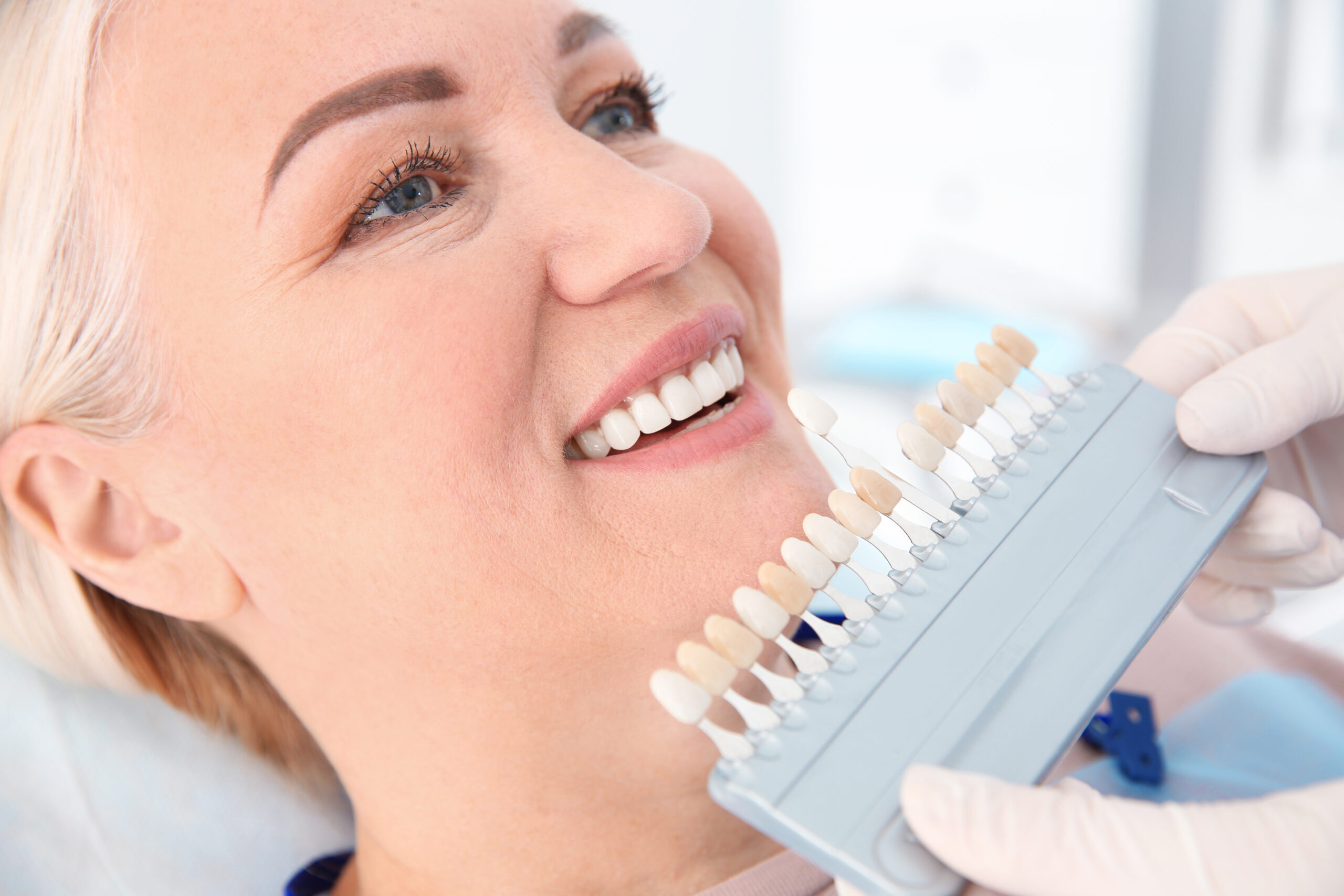
Dental veneers are thin, custom-made shells bonded to the front surface of your teeth. They correct cosmetic concerns like chips, stains, gaps, and uneven shapes. Veneers fall under the broader category of Cosmetic Dentistry Gonzales residents trust to transform their smiles. They’re a popular choice, but they aren’t right for everyone.
A veneer placement is a permanent procedure. Your dentist removes a thin layer of enamel to create room for the shell. Because enamel doesn’t grow back, commitment matters. Understanding candidacy before you sit in the chair saves time, money, and frustration.
Self-Screen Checklist: Are You Actually a Candidate for Dental Veneers in Gonzales?
Run through each area below honestly. These are the same factors your dentist will examine during a candidacy evaluation. Think of this as your at-home preview before the professional assessment.
Tooth structure requirements: Veneers need a healthy foundation. Your teeth must have enough enamel for bonding to work effectively. If you have significant decay, large fillings, or severely worn enamel, veneers may not adhere properly. Restorative work like crowns or bonding might need to come first.
Gum health: Healthy gums are non-negotiable. Inflamed, bleeding, or receding gums indicate active gum disease. Placing veneers over compromised gum tissue leads to poor outcomes. You must treat gum issues before cosmetic work begins — full stop.
Bite and jaw alignment: Your bite puts tremendous force on your teeth. If you have a misaligned bite, veneers can crack or pop off prematurely. Orthodontic treatment may be recommended before veneer placement in some cases.
Habits that affect candidacy: Certain daily habits can disqualify you — or require management first. Be honest with yourself here.
- Do you grind or clench your teeth at night?
- Do you bite your nails, chew ice, or use your teeth as tools?
- Do you smoke or use tobacco products regularly?
- Do you consume staining beverages like coffee, red wine, or tea heavily?
- Have you had multiple teeth fracture or chip in recent years?
If you answered yes to several of these, that doesn’t automatically disqualify you. It means you’ll need to address those habits or manage them with a night guard or other solution first.
Gum Health: The Factor Most Patients Overlook
Gum health is the most underestimated part of veneer candidacy. Many patients focus entirely on their teeth and never think about their gums. But veneers sit right at the gumline. Any instability there directly affects the long-term success of your veneers.
Signs of gum concerns to watch for include:
- Bleeding when you brush or floss
- Persistent bad breath not explained by diet
- Gums that appear red, puffy, or swollen
- Teeth that feel loose or have shifted position
- Gums that seem to be pulling away from your teeth
If any of those sound familiar, ask about Gum Disease Treatment Gonzales patients rely on to restore gum health before cosmetic procedures. Treating the problem first protects your investment in veneers down the road.
Gum disease is common and very treatable. Getting it under control before cosmetic work isn’t a setback — it’s smart planning.
Bite Considerations and Habits That Affect Veneer Success
Your bite is the mechanical system your veneers must work within every day. A deep overbite, crossbite, or severe crowding creates uneven pressure on veneers. That pressure causes cracking, chipping, or debonding over time.
Bruxism — grinding and clenching — is one of the most common disqualifying habits. Many people don’t even know they grind at night. Warning signs include waking up with jaw soreness, headaches near the temples, or noticeably worn tooth edges. A custom night guard can manage bruxism effectively so veneers remain viable.
Other habits like biting fingernails or using teeth to open packages apply direct force to the exact area veneers cover. These habits are manageable with awareness. Your dentist won’t judge you — they just need to know before treatment planning begins.
What Happens During an Official Veneer Candidacy Evaluation?
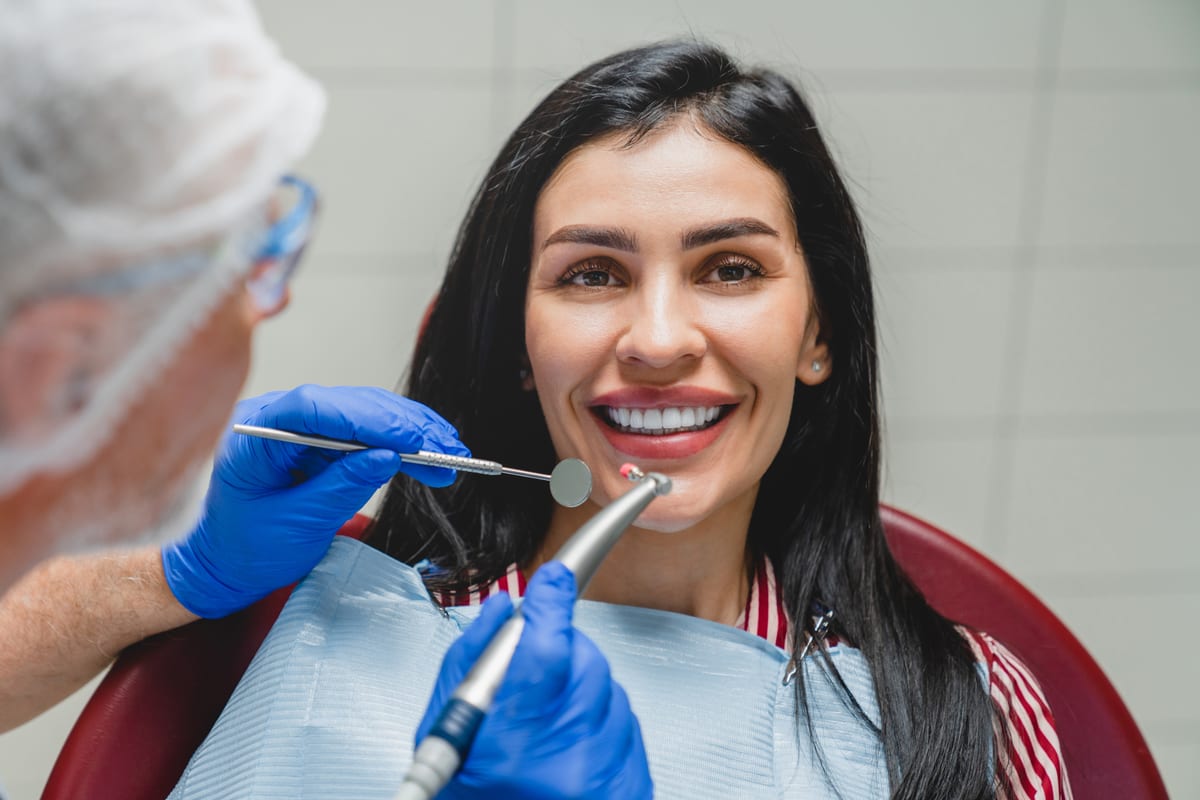
A professional evaluation goes deeper than any self-screen can. At Ascension Smiles Family Dentistry in Gonzales, the process is thorough and educational. You’ll leave knowing exactly where you stand and what options make sense for your smile.
Here’s what to expect during a typical evaluation:
- Oral health review: Your dentist checks for decay, gum disease, and structural concerns first.
- Enamel assessment: X-rays and visual inspection confirm you have enough tooth structure for bonding.
- Bite analysis: Your dentist evaluates how your teeth come together at rest and during chewing.
- Habit and history discussion: You’ll discuss grinding, medications, prior dental work, and lifestyle factors.
- Photo and smile analysis: Digital imaging helps visualize the final result before any commitment is made.
This evaluation protects you. It ensures that any veneers placed will look great and last as long as possible. Skipping it to rush into treatment is never worth it.
What If You’re Not Quite Ready for Veneers Yet?
Not being an immediate candidate is more common than you’d think. It doesn’t mean veneers are off the table permanently. It means a clear path forward exists — you just need to address the underlying issues first.
Common preparatory steps include treating decay, completing a periodontal treatment, or wearing a night guard for a few months. Some patients benefit from dental bonding as a shorter-term cosmetic option while they get ready for veneers. Others find that teeth whitening alone meets their goals without any enamel removal at all.
Every smile is different. The goal at Ascension Smiles Family Dentistry is to help Gonzales patients find the right solution — not just the most expensive one. Honest guidance matters more than upselling a procedure you aren’t ready for yet.
Conclusion: Take the First Step Toward Your Best Smile
Now that you’ve run through the self-screen checklist, you have a better sense of where you stand. Veneers can be a life-changing cosmetic investment when the timing and conditions are right. The key is getting a professional evaluation so you know for certain. Book Now to schedule your appointment with our team.
Frequently Asked Questions
Can I get veneers if I grind my teeth?
Grinding doesn’t automatically disqualify you from veneers. However, it must be managed first — typically with a custom night guard. Your dentist will assess the severity of your bruxism and recommend the safest approach before any cosmetic work begins.
How much enamel do I need for veneers to work?
You need a sufficient layer of natural enamel remaining on the front surface of your teeth. Enamel is what the veneer bonds to. If decay, wear, or prior dental work has removed too much enamel, your dentist may recommend crowns or another restorative option instead.
Do I need perfectly straight teeth to get veneers?
Not necessarily. Veneers can visually correct minor alignment issues. However, significant misalignment or bite problems should be addressed with orthodontic treatment first. This protects your veneers from uneven pressure that causes premature chipping or debonding.
How long do dental veneers typically last?
Porcelain veneers typically last between 10 and 15 years with proper care. Composite veneers generally last 5 to 7 years. Longevity depends heavily on your oral hygiene habits, bite health, and whether you manage habits like grinding effectively.
What’s the difference between veneers and dental bonding?
Dental bonding uses tooth-colored resin applied directly to the tooth surface. It requires little to no enamel removal and can be completed in one visit. Veneers are custom-fabricated shells that offer greater durability and a more natural appearance. Bonding is often a good preparatory or alternative option for patients not yet ready for veneers.