

By Ascension Smiles Family Dentistry
Knowing that you need a tooth removed can bring up many questions. Will the procedure hurt? How long will recovery take? Is removing the tooth really necessary? These are some of the most common concerns patients share before treatment.
Modern oral surgery is designed to make tooth removal as comfortable, safe, and predictable as possible. When a tooth cannot be restored because of severe damage, infection, or other complications, removing it may help protect your remaining teeth and support your long-term oral health.
At Ascension Smiles Family Dentistry, Dr. Shayne carefully evaluates every patient before recommending treatment. Patients receive a complete explanation of the procedure, recovery process, and next steps so they can make informed decisions. If you are considering oral surgery in Gonzales, this guide explains when tooth extraction becomes necessary, what happens during the procedure, how to recover comfortably, and the benefits of timely treatment.
What Is Oral Surgery?
Oral surgery includes procedures that treat conditions affecting the teeth, gums, and supporting structures when routine dental care cannot resolve the problem.
Although many procedures fall under this area of dentistry, one of the most common treatments patients need is tooth extraction. Removing a tooth is never the first choice. Dentists always try to preserve natural teeth whenever possible. However, when a tooth cannot be repaired safely or predictably, extraction may become the healthiest option.
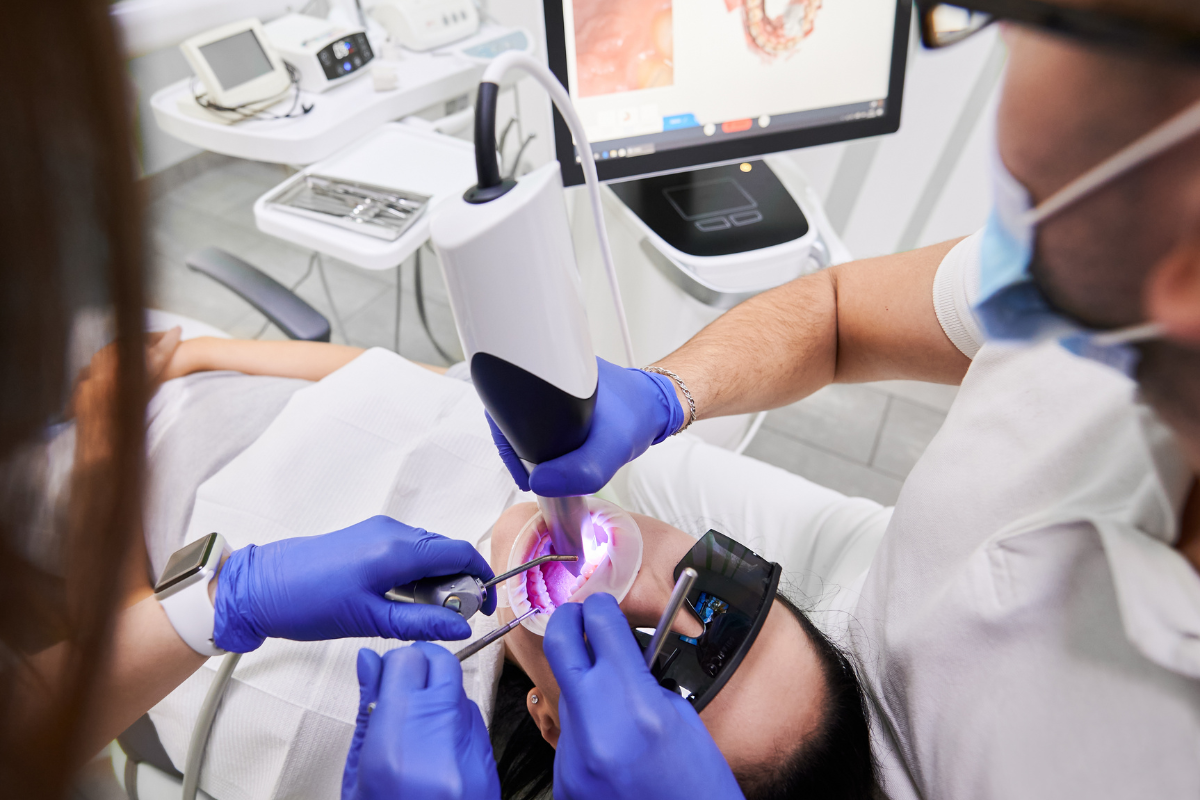
An oral surgeon evaluates the condition of the tooth, surrounding bone, and neighboring teeth before recommending treatment.
When Is Tooth Extraction Necessary?
Tooth extraction may be recommended when keeping the tooth could affect your oral health or create ongoing pain.
Many patients ask: “Do I really need the tooth removed?”
The answer depends on the extent of the damage. In many situations, fillings, crowns, or root canal treatment can save a tooth. However, extraction may be necessary when those treatments are no longer appropriate.
A dentist or oral surgeon may recommend removing a tooth because of:
- Severe tooth decay that cannot be restored
- A cracked or fractured tooth below the gumline
- Advanced dental infection
- Significant damage from trauma
- A loose tooth caused by extensive bone loss
- Overcrowding before orthodontic treatment
- A tooth causing repeated pain or infection
Many patients wait because the discomfort comes and goes. Unfortunately, pain is not always a reliable indicator of what is happening inside the tooth. Even when symptoms improve temporarily, the underlying problem may continue progressing.
Patients often seek treatment after noticing swelling, difficulty chewing, or recurring discomfort.
What Happens During a Tooth Extraction Procedure?
Every extraction begins with a careful examination, digital imaging, and a personalized treatment plan.
Knowing what to expect often helps reduce anxiety before treatment.
Step 1: Comprehensive Evaluation
Your dentist examines the affected tooth, reviews digital X-rays, and determines whether extraction is the appropriate treatment.
Step 2: Numbing the Area
Local anesthesia is used to numb the treatment area. This allows the procedure to be completed comfortably while you remain awake.
Step 3: Removing the Tooth
Using precise instruments, the oral surgeon carefully loosens and removes the tooth while preserving as much healthy surrounding bone and tissue as possible.
Step 4: Protecting the Extraction Site
Once the tooth has been removed, the area is cleaned thoroughly. Depending on the situation, stitches may be placed to support healing.
Step 5: Recovery Instructions
Before leaving, patients receive detailed instructions about eating, cleaning the area, medications, and follow-up care.
At Ascension Smiles Family Dentistry, every patient receives individualized guidance to help recovery progress as smoothly as possible.
How Long Does Recovery Take After Tooth Extraction?
Most patients begin feeling better within several days, while complete healing continues over the following weeks.
Recovery varies depending on the condition of the tooth and your overall health.
During the First 24 Hours
Patients are generally advised to:
- Rest as much as possible.
- Bite gently on gauze if instructed.
- Avoid vigorous rinsing.
- Eat soft foods.
- Stay hydrated.
- Avoid smoking or tobacco use.
During the First Week
Mild swelling and tenderness usually begin improving after the first few days.
Many patients return to work or normal daily activities within one or two days after a routine extraction, although strenuous exercise may need to wait slightly longer.
Long-Term Healing
The gums heal first, while the underlying bone gradually remodels over the next several weeks or months.
Your oral surgeon will monitor healing during follow-up visits whenever necessary.
What Can You Do to Heal Faster After a Tooth Extraction?
Following post-operative instructions carefully supports faster, more comfortable healing.
Simple habits make a significant difference during recovery.
Helpful recommendations include:
- Eat soft, nutritious meals.
- Take medications exactly as directed.
- Keep the area clean without disturbing the extraction site.
- Avoid drinking through a straw during the early healing period if instructed.
- Stay hydrated.
- Get enough rest.
- Attend all follow-up appointments.
What Are the Benefits of Tooth Extraction?
Removing a severely damaged tooth can eliminate infection, relieve discomfort, and protect the health of nearby teeth.
Although preserving natural teeth remains the goal whenever possible, extraction offers important advantages when a tooth can no longer be saved.
Benefits may include:
- Relief from ongoing pain
- Removal of infection
- Prevention of damage to neighboring teeth
- Improved chewing comfort
- Better oral health
- Reduced risk of recurring dental infections
- Preparation for future tooth replacement when appropriate
Patients considering oral surgery in Gonzales often discover that timely treatment prevents more complex dental problems later.
Why Should You Avoid Delaying Treatment?
Many people postpone treatment because the pain seems manageable or disappears temporarily.
Unfortunately, this does not mean the problem has resolved.
A damaged tooth may continue developing infection beneath the surface even after discomfort decreases. In other situations, a cracked tooth can worsen over time, making future treatment more complicated.
An evaluation by an oral surgeon helps determine whether immediate treatment is necessary or whether the tooth can safely be monitored.
Seeking care early often leads to a smoother procedure and a more predictable recovery.
Take the Next Step Toward a Healthier Smile
Needing a tooth removed can feel stressful, but understanding the procedure often makes the experience much less intimidating. Careful planning, modern techniques, and proper aftercare help most patients recover comfortably while protecting their long-term oral health.
If you have persistent tooth pain, severe decay, or a damaged tooth that cannot be restored, Ascension Smiles Family Dentistry proudly cares for patients throughout Gonzales, Prairieville, Geismar, St. Amant, and nearby communities. Dr. Shayne will carefully evaluate your condition, explain every treatment option, and help you decide whether oral surgery in Gonzales is the right solution. Schedule an appointment today to receive a comprehensive evaluation and personalized care.
Frequently Asked Questions(FAQ’s)
How do I know if my tooth needs to be extracted?
A thorough examination and digital X-rays help determine whether the tooth can still be repaired. If the damage extends too far below the gumline, infection is severe, or the tooth cannot be restored predictably, your dentist may recommend extraction. Scheduling an evaluation allows you to understand all available treatment options before making a decision.
Will I feel pain during a tooth extraction?
Local anesthesia keeps the treatment area numb during the procedure, so patients generally feel pressure rather than pain. Afterward, mild soreness is expected, but following your dentist’s instructions and taking prescribed medications helps keep recovery comfortable. If you have concerns about anxiety or discomfort, discuss them during your consultation.
What foods should I eat after a tooth extraction?
Soft foods are recommended during the first few days. Yogurt, mashed potatoes, scrambled eggs, oatmeal, applesauce, smoothies without a straw if instructed, and soups are common choices. As healing progresses, you can gradually return to your normal diet based on your dentist’s recommendations.
When should I contact the dental office after my extraction?
Contact your dental office if you experience heavy bleeding that does not slow down, worsening swelling after several days, severe pain that does not improve with medication, fever, or any concerns about healing. Prompt communication allows your dental team to evaluate the area and provide appropriate care if needed.
What happens after the tooth is removed?
After healing, your dentist may recommend replacing the missing tooth if it affects chewing, neighboring teeth, or your bite. During your consultation, your dental team can explain replacement options and help you choose the approach that supports your long-term oral health and overall function.


