

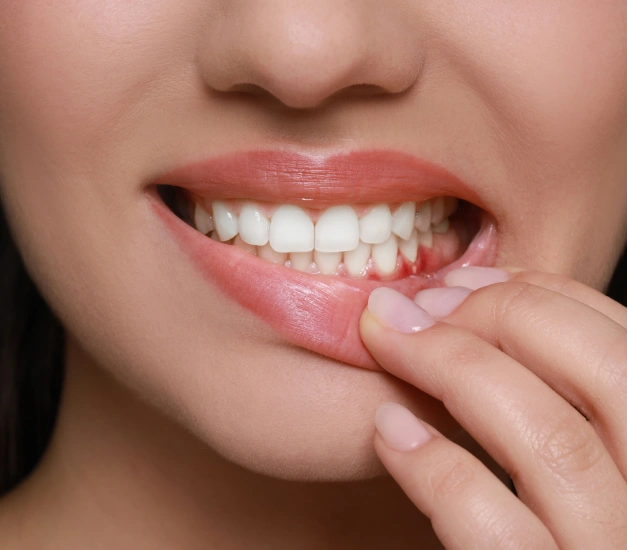
How Periodontal Disease Affects Gums?
Periodontal disease is a bacterial infection that affects the structures supporting your teeth, including the gums, the bone beneath them, and the periodontal ligament that anchors the tooth to its socket. Plaque and tartar, which harbor harmful bacteria, don't only affect the crown of the tooth (the part above the gums), but also the roots beneath the gums. As the bacteria release toxins into the surrounding tissue, your body's immune system responds with an inflammatory reaction. If the source of the toxins isn't addressed, the inflammation continues, leading to the loss of bone and supporting tissues over time.
Effective Treatments for Periodontal Disease
While we can't reverse the bone loss caused by periodontal disease, we can stop its progression, prevent further damage, and restore your mouth to a healthier state.
Treatment options will depend on the severity of the condition, and may include one or more of the following:
- Scaling: This procedure removes hard deposits, such as tartar or calculus, from below the gumline.
- Root Planing: This treatment involves cleaning the root surfaces to remove tartar and smoothing rough areas to promote healing and prevent further bacterial growth.
- Localized or Systemic Antibiotic Delivery: Antibiotics are used to prevent bacteria from reattaching to cleaned areas, helping to control infection.
- Periodontal Surgery: In severe cases, surgery may be required to remove bacteria from beneath the gums and reshape the bone structure that supports the teeth. This makes future cleanings easier and helps prevent further gum damage.